Thinking about trading your vacation week for a full-time life at the beach? If Myrtle Beach pulls at your heart, you are not alone. Many people come for the sunshine and shoreline, then start wondering how the rhythm works once the tourists go home. In this guide, you will learn what daily life really feels like across the seasons, how housing and costs work, where the crowds gather, and how to prepare your home and lifestyle for coastal living. Let’s dive in.
Seasonal rhythm
Living here means learning the local calendar. Peak tourist season runs through late spring and summer, when beaches, roads, and restaurants are busiest. The off-season, typically late November through February, brings a quieter pace and shorter business hours for some shops.
Hurricane season is June 1 to November 30. You will hear more about preparedness during these months, including insurance updates and storm planning. Many residents appreciate the energy of summer and the calm of winter. Expect a different vibe, and plan errands and outings accordingly.
Climate and home care
Summers are hot and humid. You will likely plan beach time, golf, or walks for early morning or evening. Air conditioning is essential, and your electric bill will reflect it. Winters are generally mild compared with many northern areas. Freezing temperatures can occur but are not the norm.
Coastal living also means salt air and moisture. Exterior finishes, metal fixtures, vehicles, and HVAC equipment experience more wear near the ocean. A regular maintenance routine keeps everything in good shape.
Weather risks to plan for
- Storms and hurricanes: Have an evacuation plan, storm shutters if appropriate, and a clear understanding of your insurance coverage.
- Flooding and storm surge: Elevation and FEMA flood zone status matter for low-lying parcels.
- Humidity and mold: Dehumidifiers and good ventilation help protect interiors year-round.
- Pests: Insects and termites are more active in warm months. Routine pest control and termite inspections are common.
Housing and costs
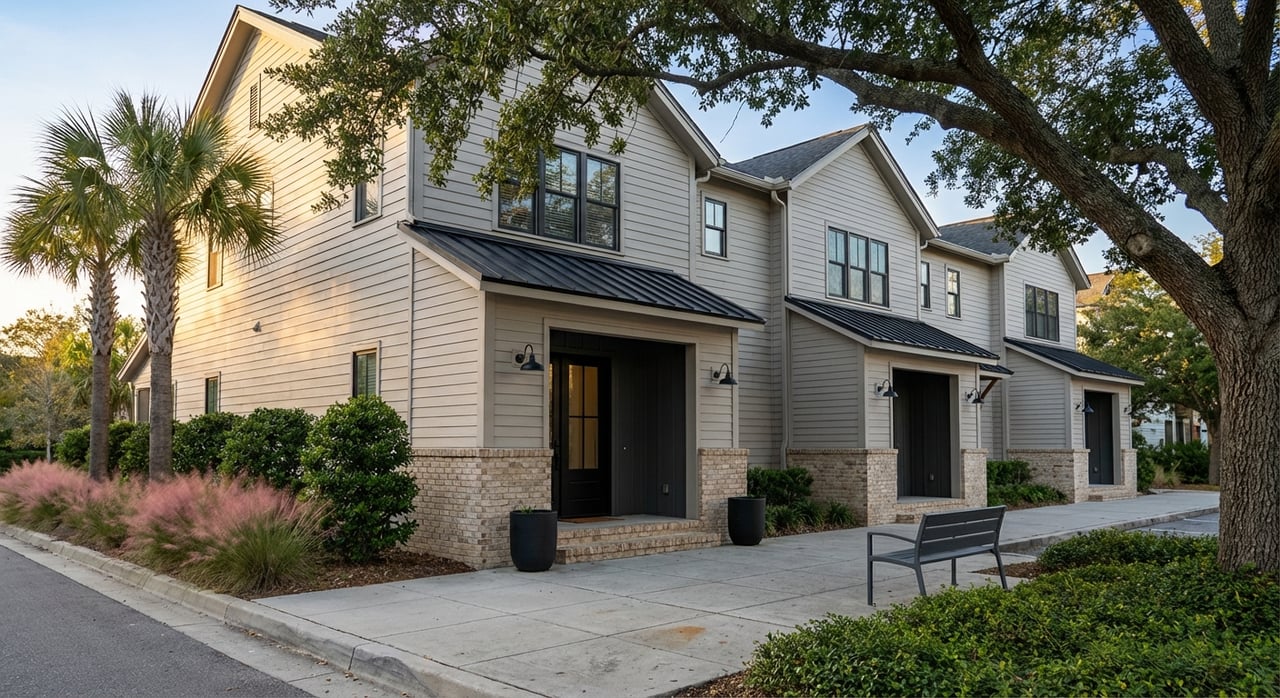
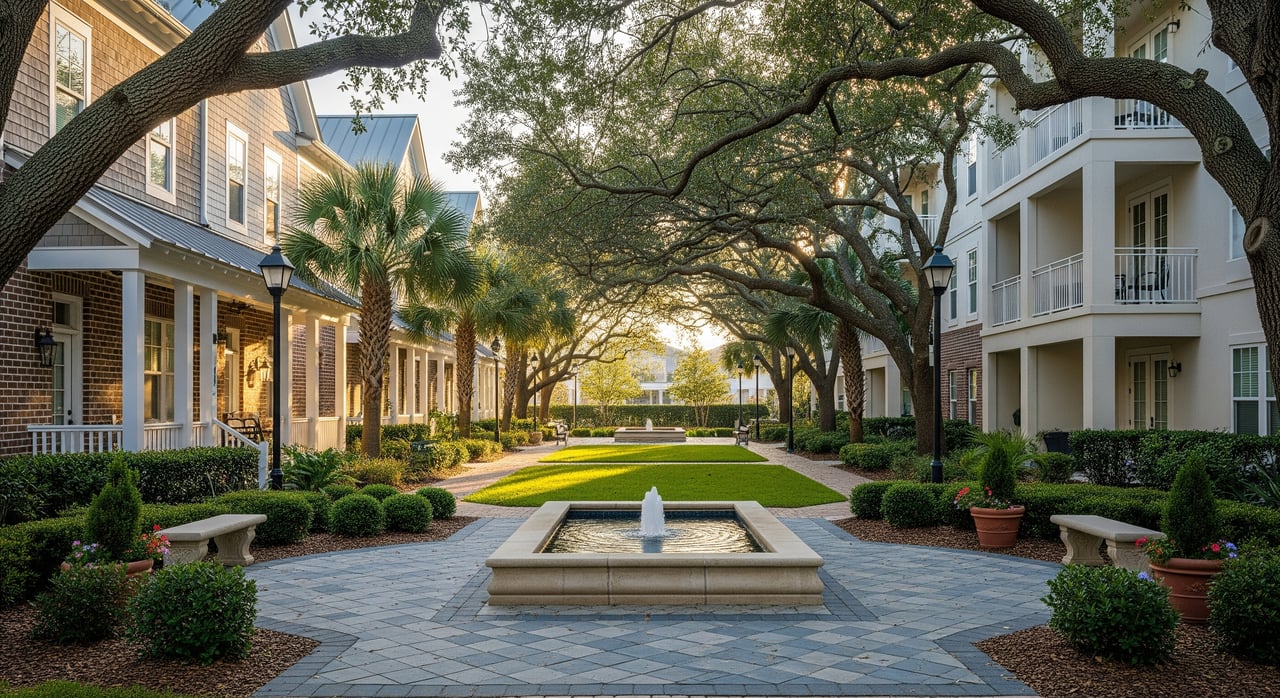
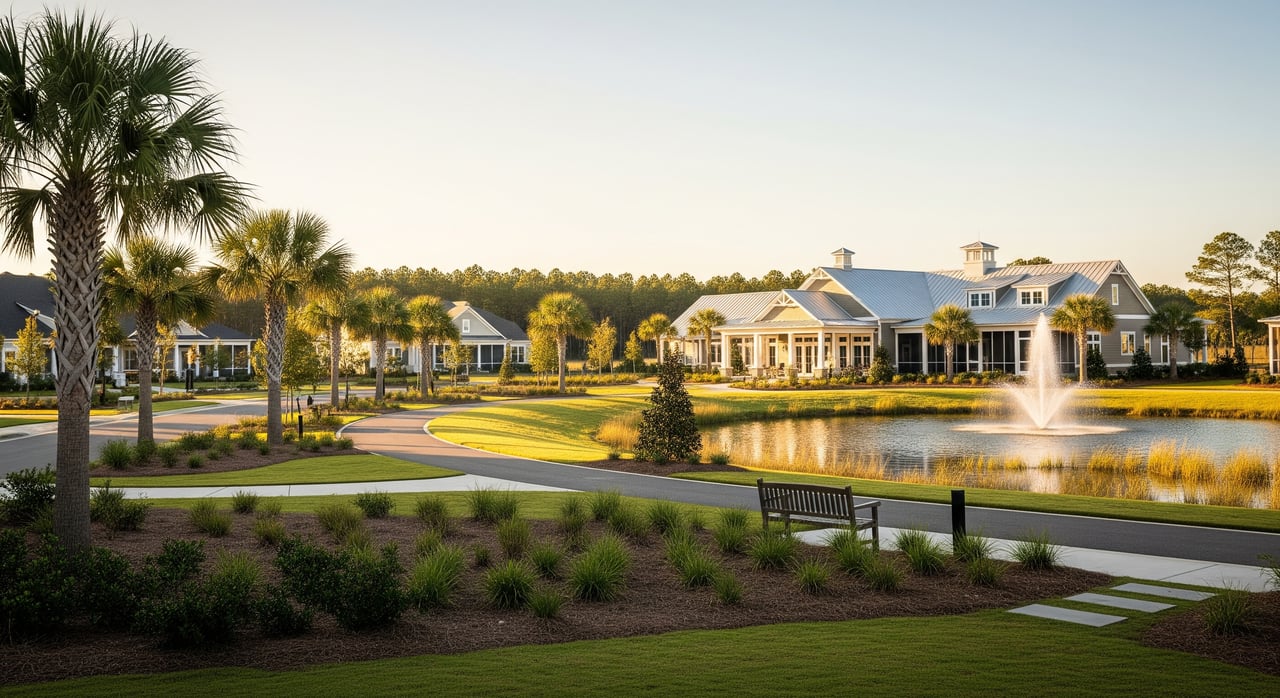
Myrtle Beach blends two housing worlds: owner-occupied neighborhoods and a large short-term rental market. Some buildings and blocks feel very resort-like in summer. Others are primarily residential and stay steady all year. You will find beachfront condos and towers, single-family homes inland and in suburbs like Conway and Socastee, and planned or golf community developments.
Inventory and pricing often shift with the seasons. Warmer months can bring more demand for rentals and resort properties. If you are shopping, it helps to visit during both peak and off-season to understand noise, traffic, and building activity.
Ongoing costs to expect
- Homeowners insurance: Coastal exposure can mean higher premiums and a separate wind or hurricane deductible. Flood coverage is a separate policy and may be required by your lender if the property is in a flood zone.
- Property taxes and HOA fees: Taxes vary by parcel and municipality. Many condo communities have significant HOA fees that cover building maintenance, reserves, and sometimes utilities.
- Utilities and maintenance: Summer AC use increases electric bills. Salt air and humidity raise maintenance needs for exterior paint, decking, HVAC systems, and vehicles.
Short-term rentals and community feel
Regulations for short-term rentals vary by city and county. Before you buy, review local ordinances for registration, occupancy rules, taxes, and safety requirements. STR density can shape a neighborhood’s character, from busy vacation corridors to quieter residential pockets.
If you value a steady, low-key environment, ask about HOA rules around rentals and visit at different times of year. A weekday afternoon in February can feel very different from a Saturday in July.
Getting around
Daily driving patterns revolve around a few key routes. U.S.-17 is the main coastal corridor, with SC-31 and U.S.-501 connecting inland. Traffic congestion increases in peak season and on holiday weekends, so build in extra time.
Myrtle Beach International Airport provides commercial flights, and routes can change seasonally. Public transit exists, including local bus services that expand in peak months, but many residents rely on cars. Downtown and the Boardwalk are walkable for errands and dining, while most suburbs require a drive.
Healthcare and senior services
The area is served by regional hospitals, specialty clinics, and outpatient facilities. If you are relocating for retirement or have ongoing medical needs, map drive times to hospitals, urgent care, and pharmacies. Senior living and in-home support services are available, and demand can shift seasonally as snowbirds come and go.
Work and connectivity
Tourism and hospitality remain major employers, alongside retail, food service, construction, healthcare, real estate, and property management. Remote work is becoming more common as broadband and fiber expand in many neighborhoods. Internet speeds can vary by development, so check availability and performance at the address level if you work from home.
Education and learning
Horry County Schools operate the public K–12 system. Quality and programs vary by zone, so review individual school options and enrollment rules based on your address. For higher education and continued learning, nearby community colleges and Coastal Carolina University provide academic programs and cultural events.
Lifestyle and community
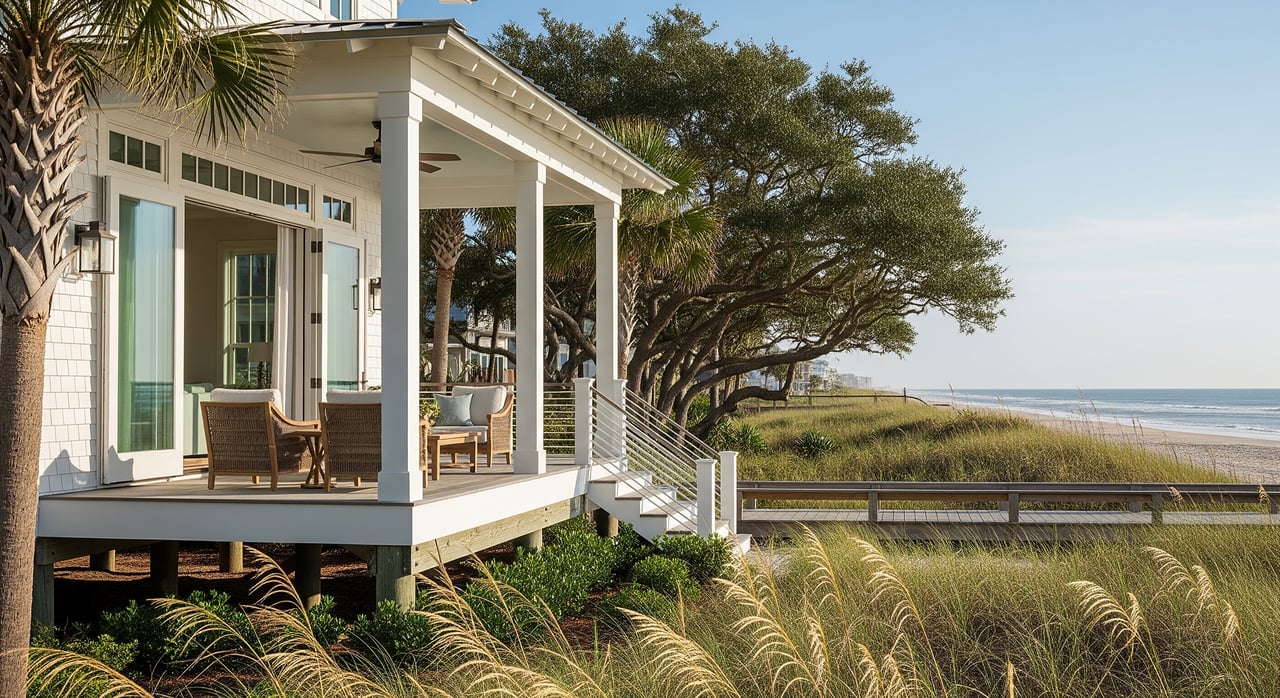
You can live a relaxed, beach-forward life here. Residents enjoy year-round beach walks, fishing, boating, golf, and coastal trails. Entertainment ranges from Boardwalk attractions and festivals to arts, live music, and local events. Faith-based and civic groups offer ways to connect, and volunteer organizations make it easy to put down roots.
Some neighborhoods stay lively year-round. Others pulse with summer activity, then settle down in winter. If you are new in town, clubs, classes, and neighborhood groups are a quick path to community.
Noise and crowds
Expect higher noise levels and evening activity during summer, especially along the beachfront, Boardwalk, and entertainment districts. Inland and suburban areas often offer a calmer setting. If quiet matters, visit the neighborhood at night and on weekends in peak months before you choose a home.
Safety and planning
Crime varies by neighborhood and tends to be more concentrated around tourist zones for property-related incidents. Review local police statistics for the area you are considering. Combine that with strong home habits, such as good lighting, secure entries, and community watch participation.
Hurricane and flood awareness is part of coastal life. For each property, learn its elevation and flood zone, assess storm protection features, and confirm your insurance details. A little preparation goes a long way in building confidence.
A week in-season vs off-season
Picture a summer week. You start the day with an early beach walk before the sun turns hot. Midday errands take longer on U.S.-17, so you plan grocery runs early or late. Evenings feel festive, with live music and full patios. Parking near the Boardwalk may require some patience, but the energy is part of the fun.
Now picture January. The beach is peaceful and the air is crisp, perfect for long walks or golf with fewer crowds. Restaurants are easier to book, and you might find seasonal menus or shorter hours. Weekend traffic is light. You handle routine home tasks, schedule HVAC service, and enjoy neighbor meetups or volunteer projects. Both seasons have charm, and many residents love the balance.
Relocation checklist
Use this checklist to evaluate a home and neighborhood for year-round living:
- Weather and hazards:
- Confirm FEMA flood zone, elevation, and any storm surge or tidal flooding history.
- Review hurricane mitigation features like shutters, roof condition, and generator readiness.
- Insurance:
- Get quotes for homeowners, windstorm, and flood coverage for the exact address.
- Ask about hurricane deductibles and policy exclusions.
- Neighborhood character:
- Check short-term rental concentration and HOA rules on noise, rentals, and parking.
- Visit in high season and off-season to assess traffic, noise, and business hours.
- Utilities and services:
- Verify internet options and typical speeds, plus average utility bills.
- Locate nearby hospital, urgent care, pharmacy, grocery, and public safety services.
- Maintenance:
- Budget for exterior upkeep due to salt air and humidity.
- Confirm termite treatment records and routine pest control needs.
- Legal and financial:
- Review local ordinances for STRs, required licenses, and lodging taxes if applicable.
- Check property tax history and recent assessments.
- Healthcare and aging in place:
- Map specialists and support services if you plan to retire here.
Is Myrtle Beach a fit for you?
If you want ocean access, a laid-back lifestyle, and a community that shifts from high-energy summers to peaceful winters, Myrtle Beach can be a great match. You will adapt to seasonal traffic, plan for storms, and adopt a steady maintenance routine. In return, you get year-round outdoor living, a diverse social scene, and the calm that comes with knowing the local rhythm.
If you are weighing neighborhoods, building an insurance plan, or deciding between a condo and a single-family home, you do not have to sort it out alone. For thoughtful guidance from search to closing, connect with Elayna Cassidy. Let’s write your next chapter — book a consultation.
FAQs
What is the Myrtle Beach climate like year-round?
- Summers are hot and humid with essential AC use, while winters are generally mild compared with inland and northern regions.
When is hurricane season in Myrtle Beach?
- The Atlantic hurricane and tropical season runs June 1 to November 30, which is when residents focus on preparedness and insurance details.
How do short-term rentals affect neighborhoods?
- STR density can increase activity in peak months; check local ordinances and HOA rules, and visit in-season and off-season to gauge community feel.
What should I budget beyond the mortgage?
- Plan for insurance with possible wind and flood policies, HOA fees for many condos, higher summer electricity use, and added exterior maintenance.
How is traffic and transportation for daily life?
- U.S.-17, SC-31, and U.S.-501 are key routes that get busier in peak season; MYR offers commercial flights, and many residents rely on cars.
Are healthcare and senior services accessible?
- The area is served by regional hospitals and specialty clinics; retirees should map drive times and confirm availability of needed providers.