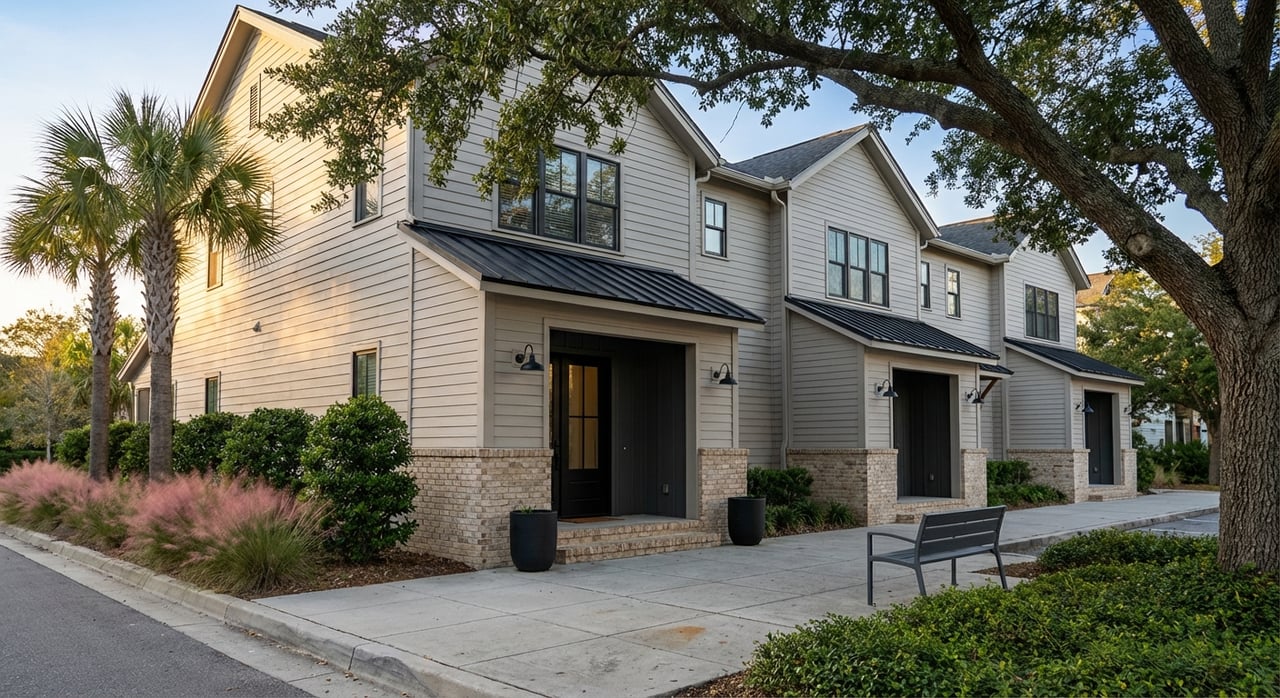
Thinking about a home in Carolina Forest but unsure what a “master-planned community” really means for your day-to-day life and budget? You are not alone. These neighborhoods can offer great amenities and a polished look, but the rules, fees, and governing structure matter. In this guide, you will learn how master-planned communities work in Horry County, what to verify before you buy or sell, and how to match the lifestyle to your goals. Let’s dive in.
What is a master-planned community
A master-planned community is a large, intentionally designed area built in phases and organized around shared amenities, open space, and consistent standards. You will often see multiple neighborhoods inside one larger plan.
Core elements
- Residential neighborhoods of different types, from single-family homes to townhomes.
- Shared amenities such as pools, community centers, trails, parks, and sports courts.
- Internal roads, landscaping, and entry features that keep the area cohesive.
- In some cases, nearby retail, schools, or offices planned as part of the overall vision.
How Carolina Forest fits
Carolina Forest is a major planned growth area in Horry County outside central Myrtle Beach. It includes many distinct neighborhoods, shared infrastructure, and a variety of housing options built over time. Each neighborhood can have its own homeowner association, amenities, and rules. Specifics change as the area evolves, so you should verify details with official county sources, HOA documents, and current listings.
How HOAs and rules work
Most master-planned communities are governed by recorded documents and managed by associations that maintain common areas and enforce standards.
Master and sub associations
- Many MPCs use a master association for community-wide items like main entryways, parks, or large amenity centers.
- Individual neighborhoods often have sub-HOAs for local matters such as architectural approvals, street landscaping, and parking rules.
- Boards are usually made up of homeowner-elected volunteers. During earlier buildout phases, a developer may appoint or control the board until turnover to owners.
Documents to review
Before you buy, ask for and read:
- CC&Rs: the covenants that set rules for exterior appearance, fencing, parking, rentals, and more.
- Bylaws and rules: how the association operates, fines, and amenity-use policies.
- Budget and financials: current operating budget, reserve balance, and line-item expenses.
- Reserve study: long-term plan for big-ticket items like roofs, pools, and roads.
- Recent board minutes: a window into priorities, upcoming projects, or potential assessments.
- Resale certificate or compliance letter: a summary of fees, assessments, and any violations tied to a property.
Enforcement basics
Associations enforce rules through warnings and fines. They can levy special assessments if reserves do not cover major repairs. In many cases, they also have lien rights for unpaid assessments. You should understand the enforcement history and whether reserves are adequate.
Amenities and lifestyle
Amenities are a big draw in master-planned communities, and they shape daily life.
- Common offerings include pools, community centers, fitness rooms, playgrounds, sports courts, and walking or biking trails.
- Sidewalks and internal paths can connect neighborhoods to parks, schools, and nearby retail, which increases convenience.
- Some subcommunities may be gated or offer additional services.
What families value
Families often prioritize safe-feeling streets, playgrounds, and predictable standards that support curb appeal. Proximity to schools matters for many buyers, but you should check attendance zones directly with the Horry County School District because boundaries can change. Community programming and easy access to sports fields or pools can add to the appeal.
What retirees value
Retirees often look for low-maintenance living, single-level floor plans, social clubs, and walkable access to everyday needs. An HOA that handles landscaping or exterior maintenance can simplify life. Quiet streets, community events, and nearby health care are common priorities.
Costs to expect
Costs vary widely across Carolina Forest’s neighborhoods. Always verify the exact amounts for the property you are considering.
Regular dues
HOA dues pay for maintenance, management, amenities, and insurance for common areas. Some properties pay fees to both the master association and a sub-HOA. Communities with minimal common areas may have relatively low monthly or annual dues, while amenity-rich neighborhoods can cost more.
Assessments and fees
- Special assessments: one-time charges for capital projects when reserves fall short.
- Transfer or administrative fees: charges at closing for the resale package or HOA record transfer.
- Amenity memberships: some amenities may require separate or optional memberships. Confirm what is included with dues.
Insurance and taxes
The association typically insures shared elements. You insure your home interior and personal property and, in some cases, parts of the exterior depending on the governing documents. Property taxes are set by Horry County and applicable districts. Being in a master-planned community does not change normal property taxes.
Buyer due diligence checklist
Use this list to protect your budget and lifestyle fit.
- Request CC&Rs, bylaws, rules, ARB guidelines, and the latest budget and financials.
- Ask for the reserve study, recent board minutes, and a record of any special assessments.
- Confirm whether the property is subject to a master association, a sub-HOA, or both.
- Verify which amenities are included, hours of operation, and reservation policies.
- Ask about rental rules, including short-term or vacation rentals, and any permit requirements.
- Clarify pet policies, guest parking, and vehicle rules.
- Check who manages the HOA and get a manager contact for future questions.
- Ensure the title company checks for HOA liens and outstanding balances.
Selling in an MPC
If you are preparing to sell, a little organization goes a long way.
- Gather the HOA resale documents early and disclose any known violations or unpaid assessments.
- Prepare amenity keys, gate remotes, warranties, and recent HOA communications about projects.
- Have current budgets, reserve details, and meeting minutes ready to address buyer questions.
Negotiation tips
- If a special assessment is pending, expect buyers to ask for credits or a price adjustment.
- Clear, current documents reduce friction and build confidence in your home.
- Transparency about association plans helps you keep momentum during inspection and financing.
Risks and tradeoffs
Every community has tradeoffs. The structure you choose should match your lifestyle and budget.
- Predictability vs. flexibility: rules support a consistent look, but they limit personal choices like paint colors, fencing, or parking.
- Amenities vs. cost: shared facilities add enjoyment, but dues and assessment risk increase.
- Buildout timing: in areas developed over many years, a developer may still control aspects of governance or amenities during early phases.
Where to verify details locally
Because Carolina Forest includes multiple neighborhoods with different rules, always confirm specifics with authoritative sources.
- Horry County Planning and Zoning for master plans, zoning, plats, and infrastructure records.
- Horry County Tax Assessor for parcel and property tax information.
- Horry County School District for current attendance zones and school data.
- Neighborhood HOA or master association websites for CC&Rs, fee schedules, and amenity maps.
- HOA management companies for dues verification and resale packet procedures.
- Title and closing attorneys or firms in Horry County for lien checks and standard South Carolina practices.
- Community Associations Institute for general guidance on governance and reserves.
Next steps
If you are comparing neighborhoods in Carolina Forest, start by listing your must-haves, nice-to-haves, and deal breakers. Then collect the governing documents and financials for each community you are considering. A side-by-side review of rules, dues, reserves, and amenities will make the best choice clearer.
When you are ready for a neighborhood-by-neighborhood walkthrough or need help interpreting HOA documents, reach out to a local advisor who treats this as both a financial and life transition. Connect with Elayna Cassidy to map your options, confirm the details, and move forward with confidence.
FAQs
What is a master-planned community in Carolina Forest?
- It is a large, phased development with multiple neighborhoods, shared amenities, and consistent standards governed by HOAs that operate under recorded documents.
How do master and sub-HOAs affect costs?
- You may owe dues to both, with the master handling community-wide items and the sub-HOA covering neighborhood-level maintenance and rules.
What HOA documents should I review before buying?
- Review the CC&Rs, bylaws, rules, budget, financials, reserve study, recent board minutes, and the resale certificate or compliance letter.
Are short-term rentals allowed in Carolina Forest neighborhoods?
- Rules vary by HOA and sometimes by local ordinance, so verify rental policies for the specific property and community.
Can an HOA levy special assessments?
- Yes. If reserves are insufficient for major projects, the board can approve a special assessment according to the governing documents.
Do HOA rules apply to renters as well as owners?
- Yes. Community rules generally apply to everyone living in the property, and owners remain responsible for compliance.
How do I confirm school attendance zones near Carolina Forest?
- Check directly with the Horry County School District, since attendance boundaries can change over time.